@10x.png)

Published on August 23rd, 2025 by Kasia
Agents vs. Managers: Understanding the Difference in the Music Industry
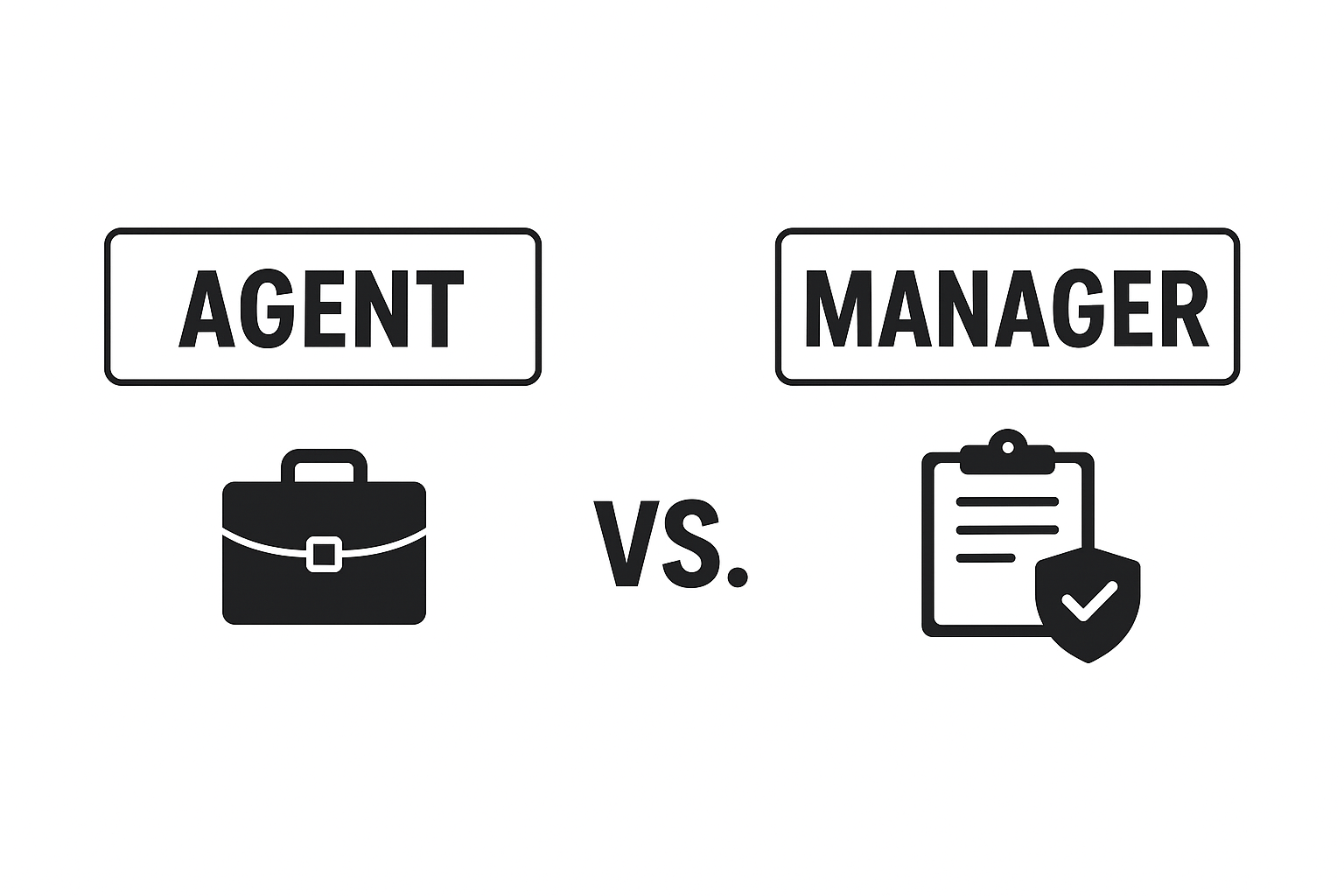
When artists begin to grow their careers, one of the most common points of confusion is the difference between an agent and a manager. Both roles are essential, but they serve very different purposes. Understanding how each works can help artists make the right decisions for their career paths.
What Does an Artist Manager Do?
The artist manager is often the closest professional partner an artist has. Their role is holistic — they oversee nearly every aspect of the artist’s career, making sure the bigger picture is moving forward in the right direction.
- Career Oversight: Managers guide long-term strategy, helping the artist make decisions about branding, partnerships, releases, and direction.
- Trusted Advisor: Many managers come into the role through a personal relationship with the artist. Because of this, they often act as both consultant and protector, ensuring opportunities align with the artist’s goals.
- Industry Knowledge: A good manager deeply understands the music business — contracts, promotion, touring, publishing, and more — and uses this knowledge to represent the artist’s best interests.
- Commission Structure: Managers are typically paid a percentage (commission) of the artist’s overall income. That means their incentives are tied to the artist’s entire career, not just individual jobs.
What Does an Agent Do?
An agent’s role is more specific and transactional. While a manager shapes the overall career, the agent focuses on securing concrete opportunities.
- Booking Work: Agents find and negotiate live performances, brand deals, or other paid opportunities for the artist.
- Network-Driven: The most effective agents maintain vast networks of promoters, venues, and buyers, which they tap into to land gigs and opportunities.
- Less Personal Involvement: Agents don’t usually advise on creative direction or long-term strategy. Their focus is on immediate, tangible work.
- Commission Structure: Agents earn a commission only on the deals they close, meaning they get paid for the opportunities they directly bring in.
The Major Differences
To put it simply:
- Scope: Managers handle the entire career, while agents focus on specific opportunities.
- Relationship: Managers are deeply involved, often acting like business partners and advisors. Agents are more external, stepping in to secure work.
- Payment: Managers earn commission on the artist’s whole income, while agents only earn commission on jobs they book.
- Knowledge vs. Network: Managers rely on deep industry knowledge to protect and guide the artist. Agents rely on their network to create opportunities.
Why Both Roles Matter
A successful career often requires both. The manager ensures the artist’s vision and long-term strategy are intact, while the agent makes sure the artist is getting in front of audiences and earning income through opportunities. Together, they create a balance between planning and action.
Back to Blog